
Property Taxes and Homestead Exemptions in Spring, Texas: What Homeowners Should Know
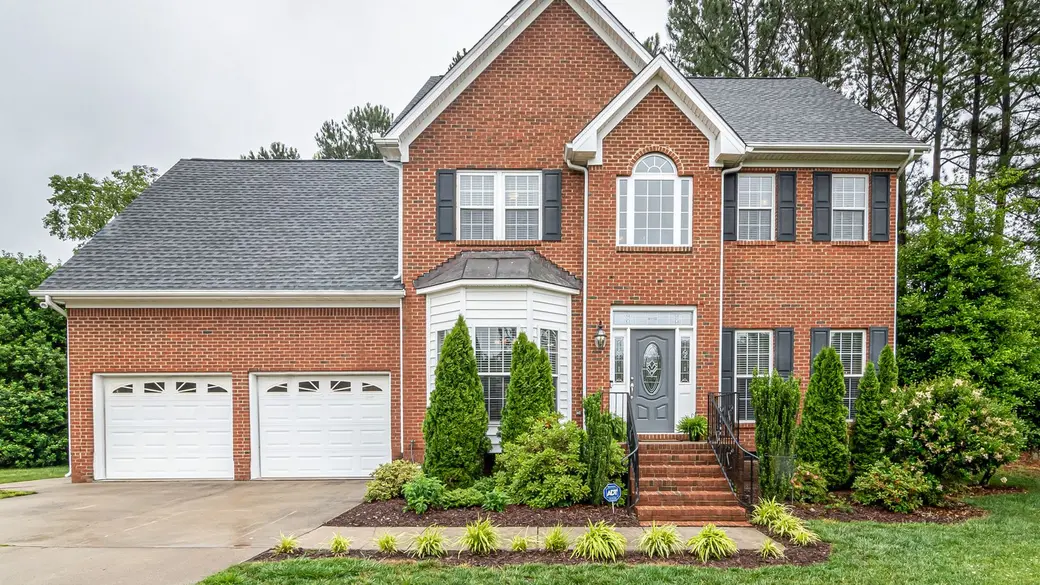
If you are buying in Spring, property taxes deserve a closer look than most buyers give them. Texas has no state income tax, so local property taxes fund a large share of schools, roads, and services — which means the annual tax bill on a home here is a bigger part of the monthly cost than in many other states. Understanding how it works will help you budget accurately and, in most cases, save money.
How Property Taxes Are Calculated
Each year, the county appraisal district assigns your property an appraised value. That value is multiplied by the combined tax rate of every taxing unit that covers your address — the school district, the county, the city if you are inside one, the community college, and any other district. A home can sit in Spring but fall under different taxing units depending on exactly where it is, which is one reason two similar houses a mile apart can carry noticeably different tax bills.
Because Spring straddles county lines, your appraisal district may be the Harris County Appraisal District or the Montgomery County Appraisal District. That is the office that values your property and the office you file exemptions and protests with.
What a Homestead Exemption Does
A homestead exemption lowers the taxable value of your primary residence, which lowers your tax bill. It is not automatic — you have to apply for it.
- You must own the home and occupy it as your principal residence. A rental property or a second home does not qualify.
- You generally need to have owned and occupied the home as of January 1 of the tax year to claim the exemption for that year.
- The application goes to your county appraisal district, and the usual deadline is April 30. Late applications are often still accepted, but filing on time is the safe approach.
- Once approved, the exemption stays in place as long as you own and live in the home, so you only apply once.
Texas homesteads also receive protection against runaway assessment increases: the taxable value of a homestead is generally capped in how much it can rise from one year to the next, with some exceptions for new construction and major improvements. Additional exemptions are available for homeowners who are 65 or older or who have a qualifying disability. The dollar amounts attached to these exemptions are set by the legislature and can change, so confirm the current figures with your appraisal district when you file.
If You Think the Value Is Wrong
Appraised values move with the market, and they do not always move correctly. If your notice looks high, you have the right to protest. The process starts with the appraisal district and can be resolved informally, through an online or phone review, or at a formal hearing before the appraisal review board. The deadline to protest typically falls in mid-May. Bring evidence — recent comparable sales in your neighborhood, photos of condition issues, or an independent appraisal if you have one.
A Few Practical Notes
- Your monthly mortgage payment usually includes an escrow amount for taxes and insurance, so a tax increase can raise your payment even if your loan terms do not change.
- Budget for the first year carefully. If you buy mid-year, you may owe a partial year of taxes at closing and a full bill the following January.
- File the homestead exemption as soon as you close. It is free, it is simple, and it is the single easiest way to reduce what you owe.
If you would like help estimating the tax bill on a specific Spring address, or a reminder about your exemption deadline, just ask.
Categories
Recent Posts




"My job is to find and attract mastery-based agents to the office, protect the culture, and make sure everyone is happy! "